
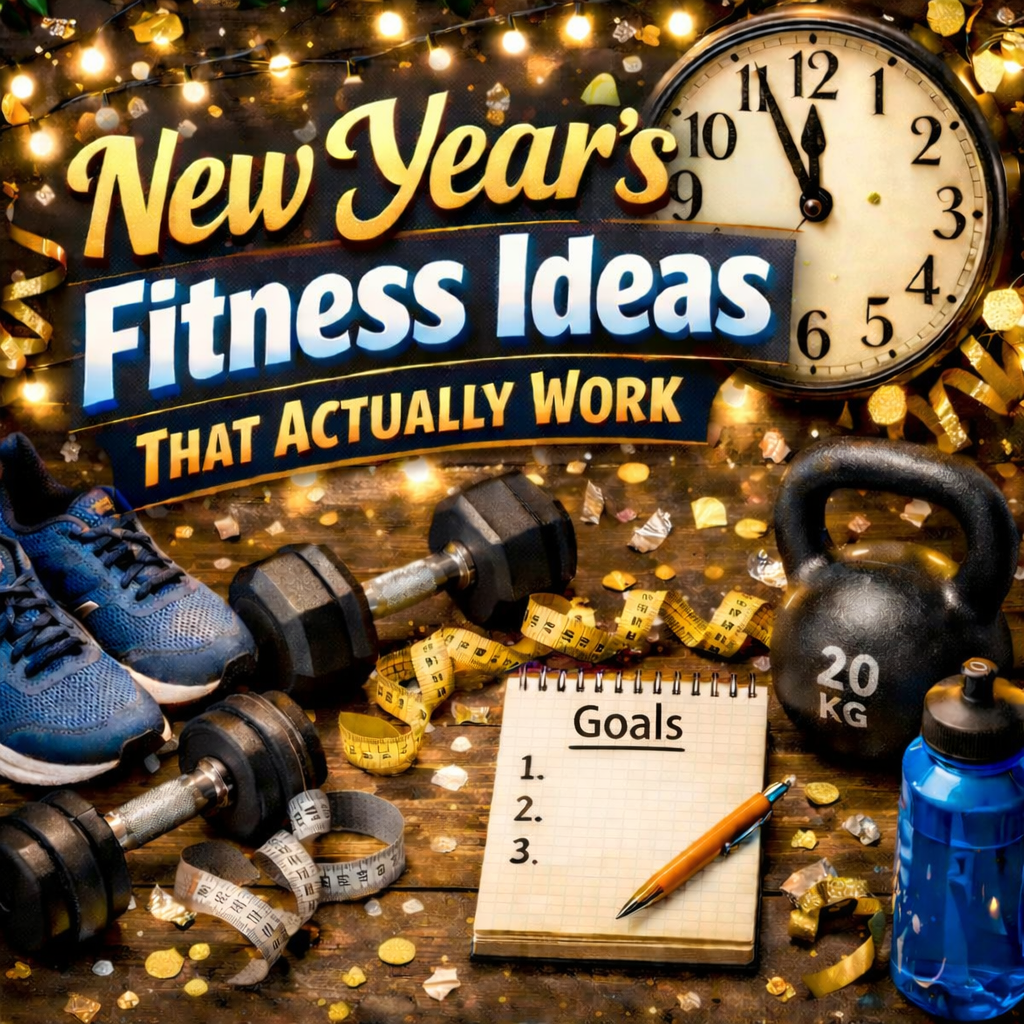
Every January, the fitness industry experiences a predictable surge. Gym memberships increase, workout apps trend, and social media becomes saturated with “New Year, New Me” messaging. Yet despite widespread enthusiasm, research consistently shows that most New Year’s fitness resolutions fail within the first two months. The issue is not a lack of motivation or discipline—it is a misunderstanding of how the human body adapts to exercise and how behavior change actually works.
True fitness success is not driven by intensity, aesthetics, or short-term challenges. It is built through physiological adaptation, behavioral consistency, and long-term sustainability. The fitness ideas that actually work in the New Year are those that respect both the body’s biology and the realities of daily life.
Why Most Fitness Resolutions Fail
Many people approach January with an “all or nothing” mindset. They attempt to overhaul their entire routine overnight: daily high-intensity workouts, extreme calorie restriction, and rigid schedules that are difficult to maintain alongside school, work, and family obligations. While these approaches may produce short-term changes, they often lead to fatigue, injury, hormonal disruption, and burnout.
From a medical standpoint, abrupt increases in training volume or intensity place excessive stress on the musculoskeletal and nervous systems. Tendon injuries, joint pain, and chronic soreness are common reasons people abandon exercise altogether. Additionally, overly restrictive diets can impair energy availability, sleep quality, and mood—making consistency nearly impossible.
Fitness that works is not aggressive. It is progressive, adaptable, and realistic.
Consistency Is More Important Than Intensity
One of the most well-established findings in exercise science is that moderate, consistent physical activity produces greater long-term health benefits than sporadic high-intensity exercise. The body responds best to repeated, manageable stressors that allow time for recovery and adaptation.
Exercising three to five times per week at a moderate intensity is more beneficial than extreme workouts followed by long periods of inactivity. Consistency improves cardiovascular endurance, insulin sensitivity, and mental health, while also reducing injury risk.
A useful mindset shift is to stop asking, “How hard should I work out?” and start asking, “What level of activity can I maintain all year?”
The Role of Daily Movement in Health
Fitness is often equated with structured workouts, but this represents only a fraction of total physical activity. Daily movement—walking, standing, stretching, and general mobility—plays a significant role in overall health. This is referred to as non-exercise activity thermogenesis (NEAT).
Individuals who move frequently throughout the day demonstrate:
- Better metabolic health
- Improved blood sugar regulation
- Lower risk of cardiovascular disease
- Improved mental clarity and mood
A realistic and effective New Year’s goal is to increase daily movement rather than relying solely on gym sessions. Walking 7,000–10,000 steps per day, using stairs, and incorporating short movement breaks can dramatically improve health outcomes without requiring formal workouts.
Strength Training: The Most Underrated Fitness Tool
Strength training is one of the most powerful yet underutilized tools in preventive medicine. Muscle mass naturally declines beginning in early adulthood, and this loss accelerates with age if not actively addressed. This process, known as sarcopenia, increases the risk of frailty, falls, fractures, and metabolic disease.
Resistance training two to three times per week has been shown to:
- Preserve muscle mass and bone density
- Improve insulin sensitivity and metabolic health
- Support joint stability and posture
- Enhance functional strength and independence
Importantly, strength training is beneficial for all ages and genders. It is not about building large muscles—it is about maintaining functional capacity and resilience throughout life.
Recovery, Sleep, and Hormonal Health
One of the most overlooked aspects of fitness is recovery. Exercise is a stressor, and the body adapts during periods of rest—not during the workout itself. Inadequate recovery can blunt progress, increase injury risk, and disrupt hormonal balance.
Sleep plays a critical role in muscle repair, immune function, and metabolic regulation. Chronic sleep deprivation impairs performance, increases injury risk, and alters hunger hormones, making nutrition and weight management more difficult.
Effective New Year’s fitness plans prioritize:
- 7–9 hours of quality sleep
- Rest days between intense workouts
- Mobility and stretching routines
- Stress management
Without recovery, even the best fitness program will fail.
Process-Based Goals Create Lasting Change
Many people tie fitness success to external outcomes such as weight loss or appearance. While these goals are understandable, they are poor motivators long-term because they are influenced by genetics, hormones, and factors outside of one’s control.
Process-based goals are far more effective. Examples include:
- Strength training twice per week
- Walking daily
- Improving flexibility or mobility
- Maintaining a consistent sleep schedule
When fitness goals focus on behaviors rather than results, adherence improves and progress becomes sustainable.
Fitness as a Long-Term Investment
Fitness should not be viewed as a temporary project or seasonal challenge. It is a long-term investment in physical independence, mental health, and disease prevention. The most effective New Year’s fitness ideas are not dramatic—they are practical, adaptable, and rooted in science.
Success is not defined by perfection, intensity, or aesthetics. It is defined by showing up consistently, respecting the body’s limits, and building habits that last beyond January. At Qvita Health and Wellness, we want to help you meet your health goals. Schedule your annual physical by calling 813-501-4130.
The fitness routines that truly work are the ones you are still doing next year.