
Menopause Awareness Month Understanding, Supporting, and Empowering Women Through the Change

Menopause Awareness Month: Understanding, Supporting, and Empowering Women Through the Change

Every October, Menopause Awareness Month aims to break the silence around a natural phase of life that every woman will experience. Despite being universal, menopause is often misunderstood, stigmatized, or overlooked in both public health discussions and individual healthcare conversations. Raising awareness helps women feel supported, informed, and empowered to take control of their well-being during this transition. What Is Menopause? Menopause marks the end of a woman’s reproductive years and is officially diagnosed after 12 consecutive months without a menstrual period. It typically occurs between ages 45 and 55, though timing varies for each individual. The transition to menopause—called
Benefits of GLP-1 Medications Besides Weight Loss

Benefits of GLP-1 Medications Besides Weight Loss

What are GLP-1 Medications? GLP-1 (glucagon-like peptide-1) receptor agonists are a class of drugs originally developed to treat type 2 diabetes (T2D). They mimic a natural hormone (GLP-1) that helps regulate blood sugar, slows gastric emptying, increases satiety, and reduces glucagon secretion. Examples include semaglutide (Ozempic, Wegovy, Rybelsus), liraglutide (Victoza, Saxenda), dulaglutide (Trulicity), tirzepatide (Mounjaro, Zepbound), etc. Many GLP-1s are approved for: But clinicians and researchers are increasingly using GLP-1s off-label for conditions beyond their FDA (or other regulatory body) approved ones. “Off-label” means prescribing a medication for an unapproved indication, dose, population, or duration. Off-Label Uses / Benefits: What

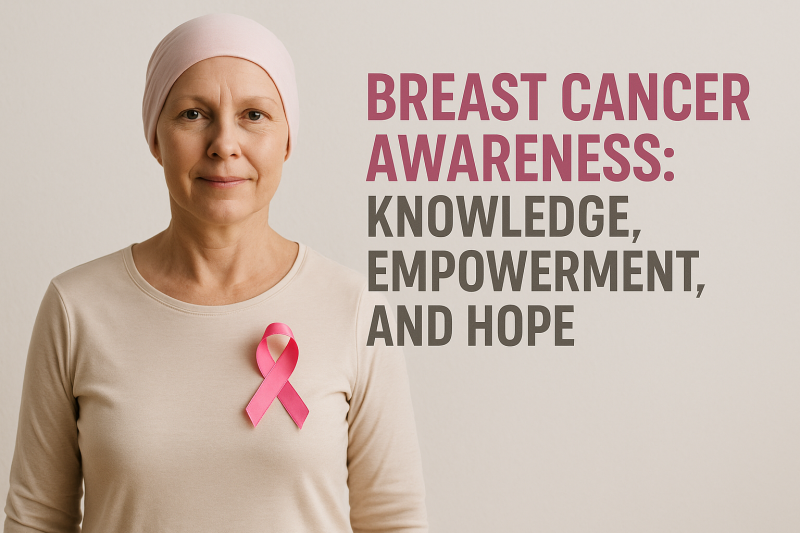
Breast Cancer Awareness: Knowledge, Empowerment, and Hope

October is Breast Cancer Awareness Month, a time dedicated to increasing understanding of one of the most common cancers worldwide. Awareness is not just about wearing pink; it is about education, early detection, and supporting those affected by the disease. With advancements in screening and treatment, more people than ever are surviving breast cancer — but awareness remains a crucial part of saving lives. What Is Breast Cancer? Breast cancer develops when cells in the breast begin to grow uncontrollably, forming a mass or lump that may invade nearby tissues. It most often starts in the ducts (the tubes that

Indulge in Beauty Event

November 13th 4-6pm Special Pricing on popular aesthetic packages  Raffles worth thousands of dollars  Representatives from our top companies to answer your questions  Onsite consults Sweet treats and goodies for all Bring a friend and get an extra free raffle ticket.  Call to reserve your spot. Deposit required
💚 Ovarian Cancer Awareness Month Know the Signs. Share the Story. Save a Life.

💚 Ovarian Cancer Awareness Month Know the Signs. Share the Story. Save a Life.

Every September, we pause to recognize Ovarian Cancer Awareness Month — a time dedicated to honoring the lives of those affected, raising awareness of this often-overlooked disease, and spreading critical knowledge that could save lives. Why It Matters Ovarian cancer is the fifth leading cause of cancer-related deaths among women. According to the American Cancer Society, about 20,890 women will receive a new diagnosis of ovarian cancer.  Often called the “silent killer,” it’s notoriously difficult to detect early. That’s because the symptoms can be vague and easily mistaken for other, less serious conditions. By the time ovarian cancer is diagnosed, it’s frequently in
Why We Need to Make Time for Sleep—and What Happens When We Don’t

Why We Need to Make Time for Sleep—and What Happens When We Don’t

We live in a culture that glorifies hustle, but sacrificing sleep for productivity is a dangerous trade-off. Sleep isn’t a luxury—it’s a biological necessity as essential as food and water. Adults need 7–9 hours of sleep each night, yet most don’t get it. The Science of Sleep During sleep, your body does critical maintenance work: Brain Cleansing: Sleep clears toxins from the brain and consolidates memories. Hormone Regulation: Sleep balances hormones like cortisol, leptin, and ghrelin, which regulate stress and hunger. So very important in perimenopause and menopause as well. Immune Boosting: Infection-fighting cells regenerate during deep sleep. The Cost
Your Kids Need to Eat Healthy Too—Here’s Why It Matters for Life

Your Kids Need to Eat Healthy Too
Here’s Why It Matters for Life

Childhood nutrition is one of the most powerful determinants of lifelong health. Yet, many children today are eating diets dominated by processed snacks, sugary drinks, and fast food. This poor nutritional foundation sets the stage for obesity, chronic disease, and developmental issues. Why Nutrition During Childhood Is Critical Brain Development: The brain grows rapidly during childhood, and nutrients like omega-3 fatty acids, iron, and zinc are essential for learning and memory. Stronger Immune System: Vitamins and minerals from whole foods help prevent illness and infections. Disease Prevention: Children who develop obesity are 80% more likely to remain obese as adults,
Focus on Muscle, Not Pounds Why Strength Is the True Marker of Health

Focus on Muscle, Not Pounds:
Why Strength Is the True Marker of Health

When you think of health, what comes to mind? For many, it’s a number on the scale. But weight alone is a poor indicator of overall well-being. A growing body of research emphasizes body composition—specifically muscle mass—over mere weight as the true marker of health and longevity. Why Muscle Matters More Than You Think Muscle isn’t just about looking toned; it’s a metabolic powerhouse. Here’s why: Boosts Metabolism: Muscle tissue burns more calories than fat, even when you’re at rest. Improves Glucose Control: Muscle acts like a sponge for glucose, helping regulate blood sugar levels and reducing the risk of
Colon Cancer in Younger People The Silent Rise and How to Protect Yourself

Colon Cancer in Younger People: The Silent Rise and How to Protect Yourself

Colon cancer, or colorectal cancer, is the third most commonly diagnosed cancer in the United States and a leading cause of cancer-related deaths. Traditionally considered a disease of older adults, it has become increasingly common among younger populations—particularly those under 50. The American Cancer Society reports that cases in younger people have been rising by approximately 1-2% per year since the mid-1990s, and alarmingly, patients in their 20s and 30s are being diagnosed with advanced stages of the disease. Why Are Younger People Getting Colon Cancer? Researchers are still working to determine the exact cause, but several contributing factors have
The Anti-Inflammatory Diet A Natural Approach to Reducing Chronic Inflammation

The Anti-Inflammatory Diet: A Natural Approach to Reducing Chronic Inflammation

Chronic inflammation is a silent contributor to many serious health conditions, including heart disease, diabetes, arthritis, and even cancer. While inflammation is a natural immune response to injury or infection, long-term, low-grade inflammation can damage tissues and organs. One of the most effective ways to combat this is through an anti-inflammatory diet, which focuses on nutrient-dense, whole foods that help reduce inflammation and promote overall well-being. What is an Anti-Inflammatory Diet? The anti-inflammatory diet is not a strict regimen but rather a way of eating that prioritizes foods known to reduce inflammation while limiting those that contribute to it. This

Accessibility Tools

Increase TextIncrease Text
Decrease TextDecrease Text
GrayscaleGrayscale
Invert Colors
Readable FontReadable Font
Reset
Call Us Text Us